What Are the Essential Vitamin Sources on a Vegan Diet?
A well-planned vegan diet provides abundant vitamins for optimal health. Most vitamins are richly available in plant foods, with only vitamin B12 requiring deliberate supplementation. Vitamins A, C, E, K, and the B-vitamin complex (except B12) are naturally abundant in a varied plant-based diet.
The National Institutes of Health provides comprehensive guidance on vitamin requirements. Understanding where to find each vitamin ensures comprehensive nutritional coverage.
Vitamin B12: The Essential Supplement
Vitamin B12 is the only vitamin not reliably available from unfortified plant foods. Produced by bacteria in soil and water, B12 is present in animal products because animals consume contaminated soil or receive supplements. All vegans must obtain B12 from fortified foods or supplements.
The NIH recommends 250-500mcg of cyanocobalamin daily or 1,000-2,500mcg weekly. B12 is essential for nerve function, DNA synthesis, and red blood cell formation. Deficiency can cause irreversible neurological damage.
"B12 supplementation is not optional for vegans — it is essential. The good news is that it is cheap, safe, and effective." — Dr. Michael Greger, NutritionFacts.org
Recommended Supplement Schedule
Vitamin B12: 250mcg daily or 1,000-2,500mcg weekly (cyanocobalamin) | Vitamin D: 600-2,000 IU daily (winter) | Optional: Algal DHA (200-300mg), Iodine (150mcg)
Vitamin D: The Sunshine Vitamin
Vitamin D is produced when skin is exposed to UVB sunlight. For those with limited sun exposure, supplementation is recommended. Look for vegan D3 from lichen or D2 (ergocalciferol). Fortified plant milks and UV-exposed mushrooms also provide vitamin D. The WHO notes vitamin D deficiency is common worldwide regardless of diet.
Other Key Vitamins Abundant in Plants
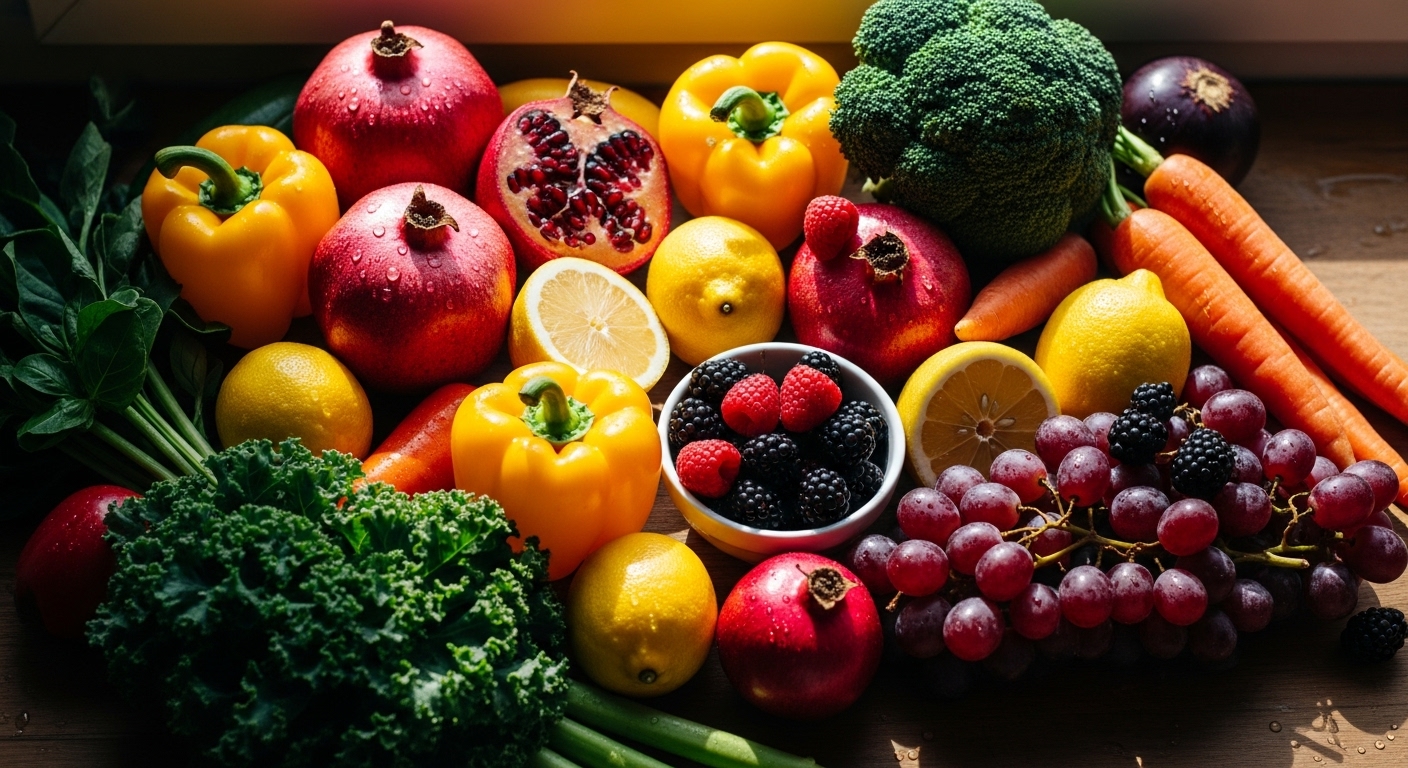
Vitamin A (beta-carotene): Sweet potatoes (1,403mcg per cup), carrots (1,069mcg per cup), spinach (943mcg per cup). Vitamin C: Bell peppers (190mg per cup), citrus fruits (70mg per orange), broccoli (81mg per cup). Vitamin K: Kale (1,062mcg per cup cooked), spinach (888mcg per cup). B-vitamin complex (except B12): Found abundantly in whole grains, legumes, nuts, and leafy greens.
One Day of Vitamin Coverage
Breakfast: Fortified oat milk + strawberries (B12, D, C) | Lunch: Kale and chickpea salad with bell peppers (A, C, K, folate) | Dinner: Sweet potato curry with broccoli (A, C, K) | Snack: Almonds (E, B2) | Supplement: B12 and D
Real-World Vitamin Success
Dr. Jenna Smith, a registered dietitian specializing in plant-based nutrition, reports that 95% of her vegan clients only need B12 and occasionally vitamin D. Their blood work consistently shows excellent vitamin status across all other markers. The Academy of Nutrition and Dietetics confirms that with proper planning including B12 supplementation, vegan diets meet all vitamin requirements at every life stage.
Common Supplement Myths Debunked
Several myths surround supplementation on a vegan diet. Myth one: supplements are unnatural and therefore unhealthy. In reality, the B12 supplements recommended for vegans contain the same cyanocobalamin that is naturally produced by bacteria and already present in animal products. The supplement simply provides this essential nutrient in a direct, reliable form without requiring the intermediate step of an animal. Myth two: you can get enough B12 from plant foods if you wash them thoroughly. This is false — B12 in soil and water has been largely eliminated by modern sanitation and water treatment.
Myth three: B12 supplements cause side effects. Cyanocobalamin is one of the safest supplements available, with no established toxic level. The body excretes excess B12 through urine, making overdose virtually impossible. Myth four: nutritional yeast alone provides sufficient B12. While nutritional yeast can be fortified with B12, levels vary by brand and batch. Supplements remain the most reliable source. Understanding these facts helps vegans make informed decisions about their supplement regimen without unnecessary concern about safety or efficacy.
Omega-3 Fatty Acids for Vegans
Omega-3 fatty acids deserve special attention on a vegan diet. The three main types are ALA (alpha-linolenic acid), EPA (eicosapentaenoic acid), and DHA (docosahexaenoic acid). Plant sources like flax seeds, chia seeds, hemp seeds, and walnuts provide ALA, which the body converts to EPA and DHA at a rate of approximately 5-15%. For optimal brain and cardiovascular health, vegans should include ALA-rich foods daily and consider an algae-derived DHA supplement. The American Heart Association recognizes algae oil as a suitable vegan source of DHA.
Practical sources include: 1 tablespoon of ground flax seeds (2.4g ALA) added to oatmeal or smoothies, 2 tablespoons of chia seeds (3.5g ALA) in pudding or overnight oats, 1/4 cup of walnuts (2.7g ALA) as a snack, and 1 tablespoon of hemp seeds (1g ALA) sprinkled on salads. An algae-based DHA supplement providing 200-300mg of DHA daily is recommended for pregnant and breastfeeding women, older adults, and anyone concerned about cognitive health. This comprehensive approach ensures that vegan diets provide all essential fatty acids.
Zinc: An Often-Overlooked Nutrient
Zinc is important for immune function, wound healing, and DNA synthesis. Plant sources include pumpkin seeds (2.2mg per ounce), chickpeas (1.3mg per half cup), cashews (1.6mg per ounce), and whole grains. Zinc absorption from plant foods is somewhat reduced by phytates, but this can be offset by food preparation methods like soaking, sprouting, and leavening. The recommended daily intake is 8-11mg for adults, and a well-planned vegan diet with adequate zinc-rich foods typically meets these requirements without supplementation for most people.
What vitamins do vegans need to supplement?
Vitamin B12 is essential. Vitamin D may be needed during winter. A well-planned diet provides all other vitamins naturally.
Why do vegans need B12 supplements?
B12 is produced by bacteria in soil. Modern hygiene removes it from plant foods. Animal products contain B12 because animals ingest soil or receive supplements.
Can I get B12 from plant foods alone?
No, unfortified plant foods do not contain reliable B12. Fortified foods can help but supplements are the most reliable source.
How much B12 should I take?
The NIH recommends 250-500mcg daily or 1,000-2,500mcg weekly of cyanocobalamin for vegans.
Do vegans get enough vitamin C?
Yes, vegans typically exceed vitamin C recommendations. Bell peppers, citrus, broccoli, and strawberries are rich sources.
Do I need iron and calcium supplements?
No, a well-planned vegan diet provides adequate iron and calcium. Only supplement if blood tests confirm deficiency.
Can I get enough vitamin D from sunlight?
During summer with regular sun exposure, yes. During winter or at northern latitudes, a vegan D3 or D2 supplement is recommended.
Iron Rich Foods for a Plant-Based Diet | Calcium From Plants: Strong Bones Without Dairy | Balanced Nutrition Planning | Getting Enough Protein From Plants