Can You Get Enough Iron From a Plant-Based Diet?
Yes, a plant-based diet can provide all the iron you need. The myth that vegans cannot get enough iron is one of the most persistent nutritional misconceptions. Plant foods contain non-heme iron, which is well-absorbed when consumed strategically with vitamin C-rich foods. Many plant sources are exceptionally rich in iron.
The NIH Office of Dietary Supplements recommends 18mg daily for women aged 19-50 and 8mg for adult men and postmenopausal women. These targets are easily achieved through a varied plant-based diet.
Top Plant-Based Iron Sources
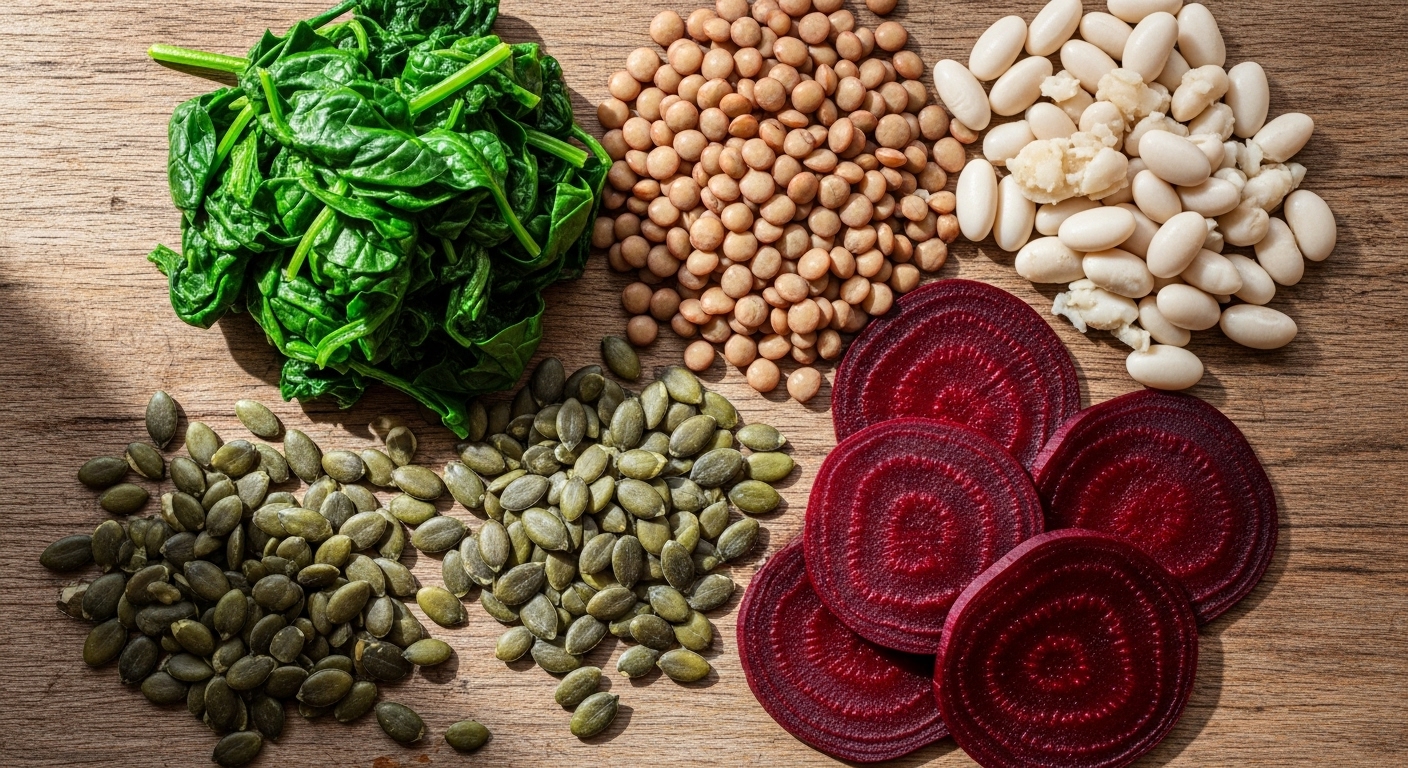
Lentils: 6.6mg per cup (cooked) | Cooked spinach: 6.4mg per cup | Chickpeas: 4.7mg per cup | Pumpkin seeds: 4.2mg per ounce | Tofu: 3.4mg per half-cup | Fortified cereals: 4-8mg per serving. Many plant sources provide more iron per serving than beef.
"The key to iron absorption on a vegan diet is to pair iron-rich foods with vitamin C. A squeeze of lemon can triple your iron absorption." — Dr. Neal Barnard, PCRM
Maximizing Iron Absorption
Vitamin C enhances non-heme iron absorption by 300-400%. Always pair iron-rich foods with vitamin C: add lemon juice to lentils, include bell peppers in bean dishes, or have an orange with fortified oatmeal. Avoid tea, coffee, and red wine with meals as tannins can inhibit absorption by up to 60%.
Cooking in cast iron cookware can significantly increase iron content, particularly for acidic foods like tomato sauce (European Journal of Clinical Nutrition).
Iron-Boosting Meal Combinations
Lentil soup with lemon juice (iron + vitamin C) | Spinach salad with bell peppers and chickpeas | Bean burrito with salsa | Oatmeal topped with strawberries
Signs of Low Iron
Fatigue, weakness, pale skin, shortness of breath, dizziness, and cold hands and feet can indicate low iron. A ferritin blood test measures iron stores and is more sensitive than standard hemoglobin testing. Vegans are no more likely to have iron deficiency than the general population.
The Oxford EPIC-Oxford study found that while vegans have lower ferritin levels, they have similar hemoglobin levels and rates of anemia compared to meat-eaters. Iron supplementation should only be done under medical supervision.
Iron and Special Populations
Certain populations need to pay particular attention to iron intake on any diet, vegan or not. Menstruating women lose iron monthly and have higher requirements (18mg daily) than men (8mg). Athletes have increased iron needs due to foot-strike hemolysis and sweat losses. Pregnancy significantly increases iron requirements to 27mg daily to support expanded blood volume and fetal development. These elevated requirements can be met on a well-planned vegan diet through strategic food choices and appropriate supplementation when indicated by blood testing.
The NIH Office of Dietary Supplements emphasizes that iron status should be monitored through blood tests rather than assumed based on diet alone. Iron deficiency can occur in any dietary pattern, and vegans are no more likely to be deficient than the general population when their diet includes adequate iron-rich foods. The key is awareness, strategic food pairing with vitamin C, and appropriate medical monitoring for those at higher risk.
Iron-Friendly Cooking Tips
Maximizing iron absorption from plant foods requires some simple cooking strategies. Cooking in cast iron pans increases the iron content of food significantly, especially when cooking acidic foods like tomato sauce. Soaking and sprouting legumes and grains reduces phytate content, improving mineral absorption. Fermenting foods like tempeh also reduces phytates while adding beneficial probiotics. The National Institutes of Health has published research showing that these traditional food preparation techniques enhance the bioavailability of minerals including iron.
Pairing strategy remains the most effective tool for iron optimization. Always include a vitamin C source with iron-rich meals: squeeze lemon over lentil soup, add bell peppers to bean salads, drink orange juice with fortified cereal. Avoid drinking coffee or tea within one hour of iron-rich meals, as tannins inhibit absorption. For those with consistently low iron levels despite dietary optimization, a low-dose iron supplement (15-30mg) every other day rather than daily is the most effective supplementation protocol supported by current research.
Iron-Rich Meal Ideas
Practical meal ideas make iron-rich eating accessible and enjoyable. Breakfast: oatmeal fortified with iron, topped with strawberries (vitamin C). Lunch: spinach and chickpea salad with lemon-tahini dressing. Dinner: lentil curry with tomatoes and bell peppers over quinoa. Snack: apple slices with almond butter. Each of these meals combines iron-rich plant foods with vitamin C sources for optimal absorption. The variety of delicious iron-rich meals available on a vegan diet demonstrates that meeting iron needs is about knowledge, strategy, and intentional food choices rather than restriction or difficulty.
Iron Status Testing and Monitoring
Regular monitoring of iron status through blood tests provides objective data for optimizing intake. Ferritin levels below 30 ng/mL indicate depleted iron stores, while levels above 150 ng/mL suggest adequate or excessive stores. The World Health Organization recommends screening for iron deficiency in at-risk populations including women of reproductive age. Vegans should include ferritin testing in annual health screenings to ensure iron stores remain adequate and adjust dietary strategies or supplementation based on results.
Putting Iron Knowledge Into Practice
Managing iron intake on a vegan diet is straightforward with the right knowledge. Include a source of vitamin C with every iron-rich meal, cook in cast iron when possible, and space coffee and tea away from meals. These simple strategies optimize iron absorption from plant sources and ensure adequate iron status without the need for high-dose supplements in most cases. A well-planned vegan diet provides all the iron the body needs for optimal health and energy.
Is iron deficiency common in vegans?
No, studies show vegans are no more likely to have iron deficiency than the general population. Many plant foods are rich in iron.
How can I maximize iron absorption?
Pair iron-rich foods with vitamin C (lemon, bell peppers, oranges) which boosts absorption by 300-400%. Avoid tea/coffee with meals.
What plant foods are highest in iron?
Lentils (6.6mg/cup), cooked spinach (6.4mg/cup), pumpkin seeds (4.2mg/oz), chickpeas (4.7mg/cup), and fortified cereals (4-8mg/serving).
Do vegans need more iron?
Vegans need about 1.8 times more because non-heme iron has lower absorption. However, plant foods are so rich in iron that most vegans easily meet needs.
Should I take an iron supplement?
Only if a blood test confirms iron deficiency. Supplementation should be under medical supervision as excess iron can be harmful.
Does cooking affect iron content?
Cooking in cast iron pans can increase iron content. Boiling and steaming are fine — they do not significantly reduce iron content.
Calcium From Plants: Strong Bones Without Dairy | Essential Vitamin Sources on a Vegan Diet | Getting Enough Protein From Plants | Natural Energy Increase Through Plant-Based Living