What Is Plant-Based Eating and How Do You Start?
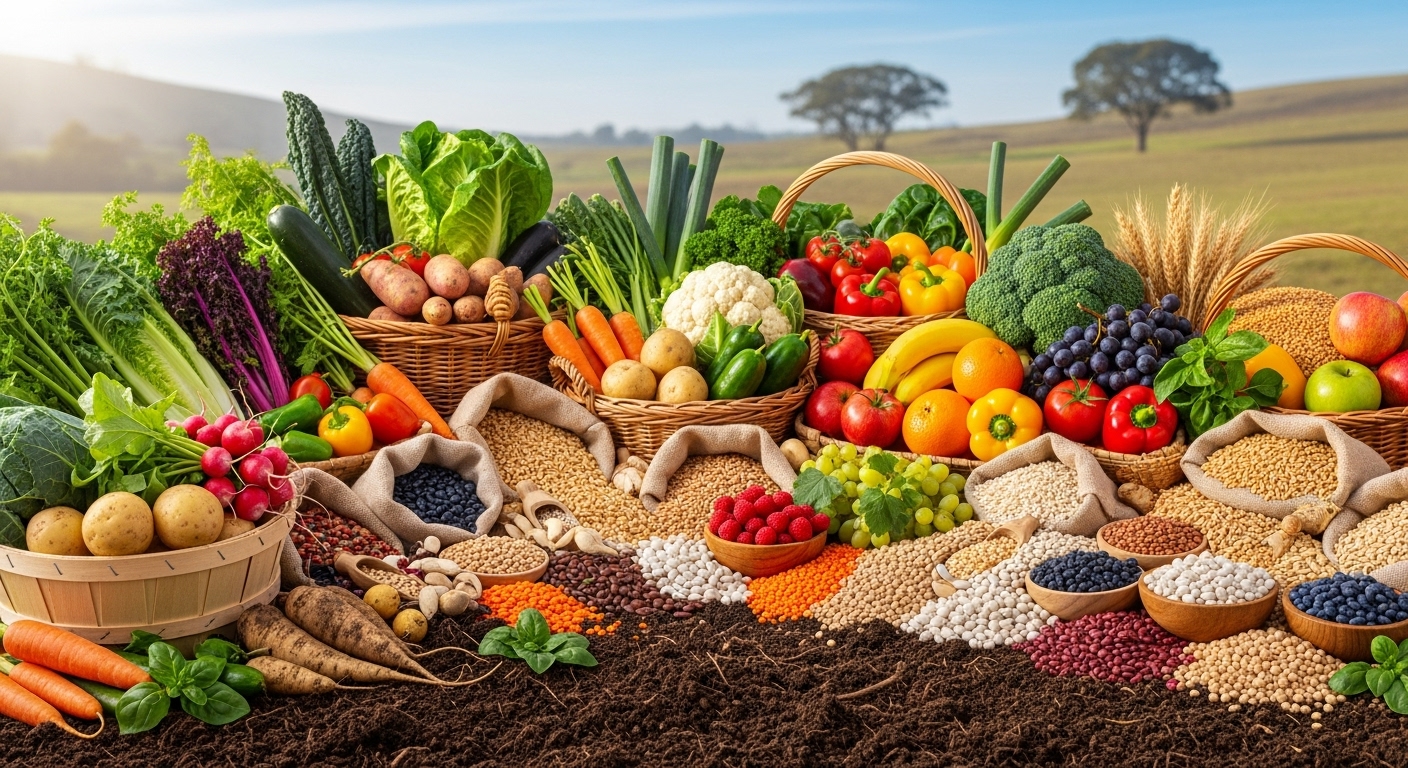
Plant-based eating means focusing your diet primarily or entirely on foods derived from plants — vegetables, fruits, whole grains, legumes, nuts, and seeds. It ranges from flexitarian (occasional animal products) to fully vegan. Understanding what plant-based eating means and how to transition smoothly is the first step toward a healthier, more compassionate, and more sustainable way of living.
The Academy of Nutrition and Dietetics endorses well-planned plant-based diets as healthful and nutritionally adequate. The key is focusing on whole, minimally processed foods rather than simply removing animal products.
Different Approaches to Plant-Based Eating
Flexitarian: Primarily plant-based with occasional animal products. Reduces environmental impact by 30%. Vegetarian: Excludes meat, fish, and poultry. Reduces impact by 45%. Vegan: Excludes all animal products. Reduces impact by 75% (Poore & Nemecek, Science 2018). Every step toward plants makes a meaningful difference.
"The journey of a thousand miles begins with a single step. Start with one plant-based meal and build from there." — Lao Tzu
Getting Started: A Practical Guide
Week 1: Replace one meal per day with a plant-based option. Try tofu scramble, lentil soup, or vegetable stir-fry. Week 2: Stock your pantry with beans, lentils, rice, quinoa, oats, nuts, seeds, spices, and nutritional yeast. Keep fresh vegetables, tofu, and plant milk in the fridge. Week 3-4: Develop 3-5 reliable meals you enjoy and batch cook on weekends.
Beginner Shopping List
Produce: Bananas, apples, spinach, kale, carrots, onions, sweet potatoes, avocados, lemons. Pantry: Lentils, chickpeas, black beans, brown rice, quinoa, oats, almonds, chia seeds, nutritional yeast, spices. Fridge: Tofu, tempeh, oat milk, almond milk, sauerkraut.
Common Beginner Questions
New plant-based eaters often worry about protein, hunger, and complicated cooking. Protein is abundant in plants — lentils, chickpeas, tofu, and quinoa all provide ample protein. Plant-based meals are naturally satisfying due to their high fiber and water content. Plant-based cooking can be as simple as opening a can of beans and heating them with spices.
The NutritionFacts.org website offers free, evidence-based guidance and a 21-Day Vegan Kickstart program that has helped over 100,000 people transition successfully. Carlos, a 52-year-old from Chicago, started plant-based eating after a diabetes diagnosis. He lost 30 pounds without counting calories, normalized his blood sugar within three months, and feels better at 52 than he did at 35.
Troubleshooting Common Challenges
Every new plant-based eater faces challenges during the transition. The most common issues include: feeling hungry between meals (solve by increasing portion sizes and including more protein and healthy fats), craving familiar foods (solve by finding vegan versions or experimenting with new cuisines), difficulty eating out (research restaurant menus in advance and don't be afraid to ask for modifications), and social pressure from friends and family (prepare simple explanations and bring a plant-based dish to share at gatherings).
Another common challenge is navigating nutrition information from unreliable sources. The internet contains both evidence-based guidance and misinformation about plant-based diets. Stick to reputable sources: the Academy of Nutrition and Dietetics, NutritionFacts.org, the Physicians Committee for Responsible Medicine, and academic institutions like Harvard and Oxford. Avoid influencers promoting extreme or restrictive versions of plant-based eating unless they are backed by qualified nutrition professionals and scientific evidence.
Plant-Based Eating on a Budget
A common misconception is that veganism is expensive. In reality, a whole foods plant-based diet is among the most affordable ways to eat. The most nutritious plant foods — beans, lentils, rice, oats, potatoes, seasonal vegetables — are also the cheapest. A pound of dried lentils costs approximately $1.50 and provides 13 servings of protein-rich food. A comparison by the Journal of Hunger & Environmental Nutrition found that plant-based diets save an average of $750 per person per year compared to standard American diets.
Smart shopping strategies maximize savings: buy grains and legumes in bulk, choose frozen vegetables when fresh are out of season, use farmers markets for local produce, and grow herbs and leafy greens at home if space permits. The most expensive items — processed vegan meats and cheeses — are optional rather than necessary. Centering meals around affordable staples rather than specialty products makes plant-based eating accessible to every budget. Community resources like Food Not Bombs and neighborhood vegan potlucks demonstrate that plant-based eating can be both affordable and socially connected.
Reading Labels for Hidden Animal Ingredients
Developing label-reading skills is essential for maintaining a plant-based lifestyle. Common hidden animal ingredients include casein (milk protein), whey (milk byproduct), gelatin (animal collagen), shellac (insect-derived), and carmine (crushed insects). Many unexpected products contain these ingredients, including some breads, crackers, potato chips, and even certain wines and beers that use animal-derived fining agents. The PETA "Accidentally Vegan" list and apps like Is It Vegan provide quick references. Over time, label reading becomes second nature, and the initial learning curve gives way to confident and informed purchasing decisions.
Adapting Family Favorites
Transitioning to plant-based eating does not mean abandoning familiar dishes. Most traditional recipes can be adapted by replacing animal ingredients with plant alternatives. Lentils replace ground meat in Bolognese, chili, and tacos. Cashew cream replaces dairy cream in sauces and soups. Mashed banana or applesauce replaces eggs in baking. The key is to focus on flavor and texture rather than replicating animal products exactly. Gradually adapting family favorites makes the transition accessible for everyone in the household and demonstrates that plant-based eating is about addition, not subtraction.
What is plant-based eating?
Focusing your diet on foods from plants — vegetables, fruits, whole grains, legumes, nuts, and seeds. Ranges from flexitarian to fully vegan.
How do I start a plant-based diet?
Replace one meal per day with a plant-based option. Focus on adding new foods rather than removing familiar ones. Build from there.
Will I feel hungry on a plant-based diet?
No, plant foods are rich in fiber and water, making them naturally satiating. Most people feel more satisfied on a whole foods plant-based diet.
What do I need in my pantry?
Stock lentils, chickpeas, beans, rice, quinoa, oats, nuts, seeds, nutritional yeast, spices, tofu, plant milk, and fresh produce.
Is plant-based eating expensive?
No, a 2023 Oxford study found plant-based diets are 25-40% cheaper than meat-based diets. Staple foods like beans and rice are very affordable.
Can I still eat my favorite foods?
Yes, most favorite foods can be veganized. Burgers become bean-based, tacos become lentil-based, pizza can use vegan cheese, and desserts use plant-based ingredients.
The Vegan Lifestyle: A Complete Overview | Health Awareness: Starting Your Journey | Balanced Nutrition Planning | The Core Philosophy of Veganism