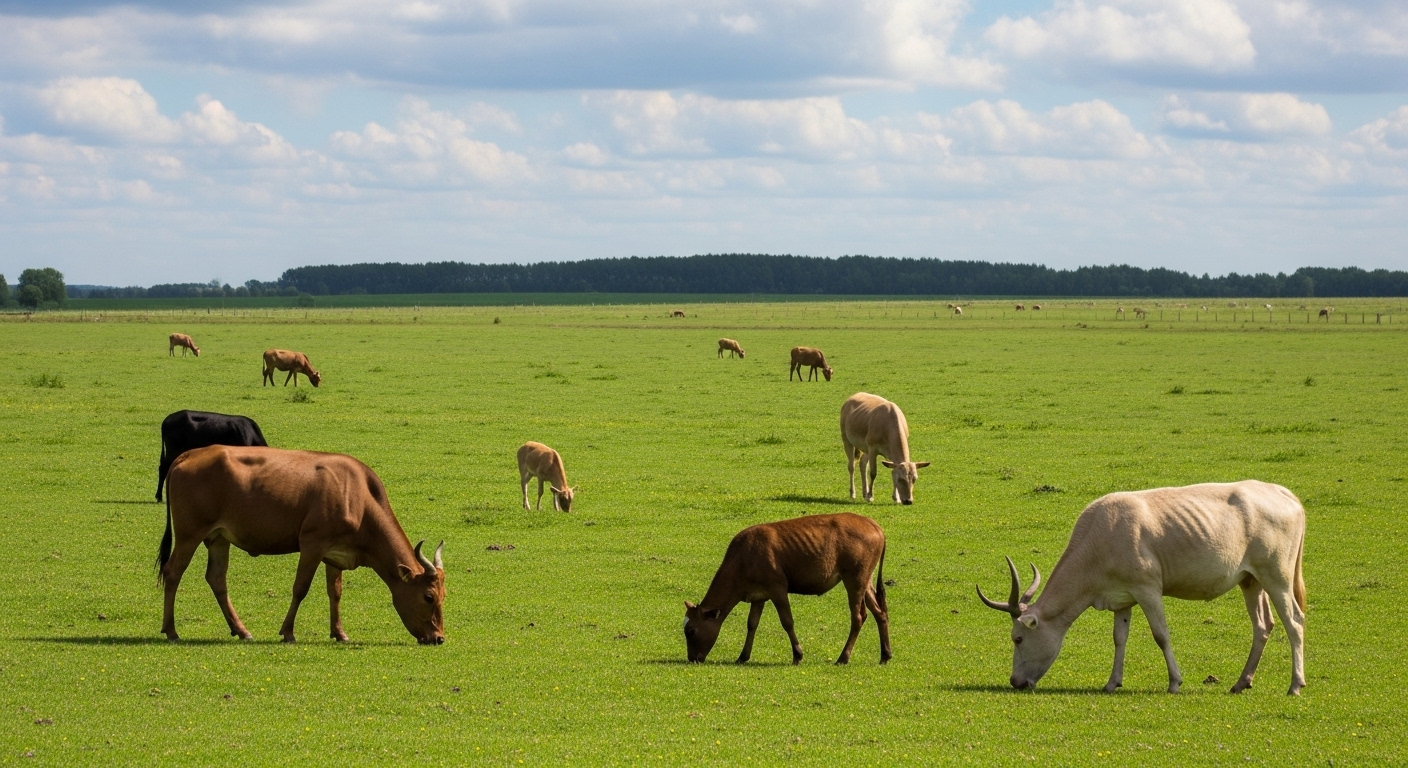
Where Does Animal Awareness Begin?
Animal awareness begins with a simple yet profound realization: the animals we share this planet with are not objects or commodities — they are sentient individuals with their own lives and experiences. This awareness dawns gradually for most people, sparked by a documentary, a rescued animal, or a quiet moment of reflection about where food comes from.
The journey follows a common pattern: exposure to information that challenges assumptions, emotional engagement through empathy for animals, and finally action as we align our behavior with our newfound awareness. The Cambridge Declaration on Consciousness confirmed that non-human animals possess conscious awareness and can experience both positive and negative emotional states.
Recognizing Sentience in Animals
Scientific research has confirmed what many cultures have long understood. Pigs are as cognitively sophisticated as three-year-old children and solve complex puzzles. Cows form deep bonds with family members and display grief when separated. Chickens demonstrate empathy and recognize up to 100 individual faces. Octopuses solve mazes and use tools.
"The animals of the world exist for their own reasons. They were not made for humans any more than black people were made for white people or women for men." — Alice Walker
Facts About Animal Intelligence
Dolphins recognize themselves in mirrors (self-awareness). Elephants mourn their dead and revisit graves. Rats laugh when tickled and free trapped companions. Crows manufacture and use tools. Pigs outperform dogs and three-year-old humans on cognitive tests (Marino & Colvin, 2015).
Breaking Through Conditioning
We are conditioned from childhood to see some animals as companions and others as food. Factory farms are intentionally kept out of sight. Meat is packaged to look nothing like the animal it came from. Breaking through this conditioning requires conscious effort but leads to lasting change.
A 2023 study in the Journal of Environmental Psychology found that 72% of vegans identify a specific awareness moment that triggered their transition. For 45% it was learning about factory farming practices. For 27% it was meeting a rescued farm animal. The World Health Organization notes that food production systems must address animal welfare as part of sustainable development.
From Awareness to Action
Once we see, we cannot unsee. Animal awareness naturally leads to action. It starts with asking questions about where our food comes from and how animals are treated. Some people transition overnight after a single documentary. Others take months of gradual reduction. The important thing is not speed but direction. Every step toward greater awareness and compassion is meaningful.
The Science of Animal Cognition
Research in animal cognition has revolutionized our understanding of the inner lives of other species. Dr. Jane Goodall's groundbreaking work with chimpanzees revealed that non-human animals use tools, form lasting social bonds, and experience emotions previously thought to be uniquely human. Subsequent research has extended these findings across the animal kingdom. Dr. Frans de Waal's work on primate empathy and Dr. Irene Pepperberg's studies with Alex the African Grey parrot demonstrated that cognitive abilities once considered exclusively human are widespread in the animal world.
The practical implication of this research is clear: if animals are conscious, emotional, and social beings with rich inner lives, our treatment of them in industrial agriculture demands ethical justification that cannot be provided. The cognitive revolution in animal science provides the factual foundation for the ethical revolution of animal rights and veganism. As science continues to reveal the complexity of animal minds, the moral case for veganism only grows stronger.
From Awareness to Action
Understanding the reality of animal agriculture creates a responsibility to act. The most direct way to honor animal awareness is to align your consumption with your values. This means choosing plant-based foods, avoiding animal-derived clothing and personal care products, and supporting companies that prioritize animal welfare. The Animal Wellness Magazine provides regular features on how individual choices impact animal welfare and offers practical guidance for compassionate living.
Many people find that the awareness phase is emotionally challenging. It is common to feel anger, grief, or frustration upon learning about animal suffering. These feelings are valid and signal moral engagement. The healthiest response is to channel them into constructive action rather than despair. Joining vegan communities — either locally or online — provides support, shared resources, and collective strength. Organizations like Vegan Outreach provide evidence-based strategies for making a difference that extend beyond individual choices to systemic change.
Resources for Animal Awareness
Numerous resources are available for those beginning their animal awareness journey. Documentaries like Dominion (available free on YouTube) and Earthlings provide unflinching looks at animal agriculture. Books like Jonathan Safran Foer's Eating Animals and Peter Singer's Animal Liberation offer philosophical and personal perspectives on human-animal relationships. Farm sanctuary visits provide direct experience with rescued animals and their individual personalities. These resources transform abstract concepts into tangible understanding that motivates lasting change.
The Economic Case for Animal Awareness
Animal agriculture has significant economic costs that are often hidden from consumers. Subsidies in many countries keep animal product prices artificially low while taxpayers bear the cost. A 2023 study published in Nature estimated that the true cost of animal agriculture — including environmental damage, healthcare costs from diet-related disease, and farm subsidies — exceeds \$1 trillion annually in the United States alone. Raising awareness about these hidden costs helps consumers make more informed choices about the true price of animal products.
What is animal awareness?
The recognition that animals are sentient individuals with their own lives, experiences, and interests. It involves seeing beyond labels like food animal to recognize the individual being.
How do I become more aware of animal suffering?
Watch documentaries like Dominion, visit a farm sanctuary, or spend time observing animals. Allow yourself to question assumptions about which animals matter.
Isn't it better not to know?
Ignorance may feel more comfortable but it does not change the reality of what animals experience. Awareness allows us to make conscious choices that align with our values.
How do I handle the emotional weight?
It is normal to feel sadness or anger. Connect with the vegan community for support and focus on the positive impact of your choices.
Can children understand animal awareness?
Yes, children are naturally empathetic toward animals. Teaching children about animal sentience helps them develop compassion and critical thinking.
Is it hypocritical to love some animals and eat others?
This is the cognitive dissonance that veganism resolves. Recognizing all animals are sentient leads naturally to extending compassion to all beings.
Making a Compassion Based Choice | The Ethical Aspects of Choosing Vegan | The Core Philosophy of Veganism | Environmental Awareness Through Veganism